Published: 2026-09-25 | Verified: 2026-05-11
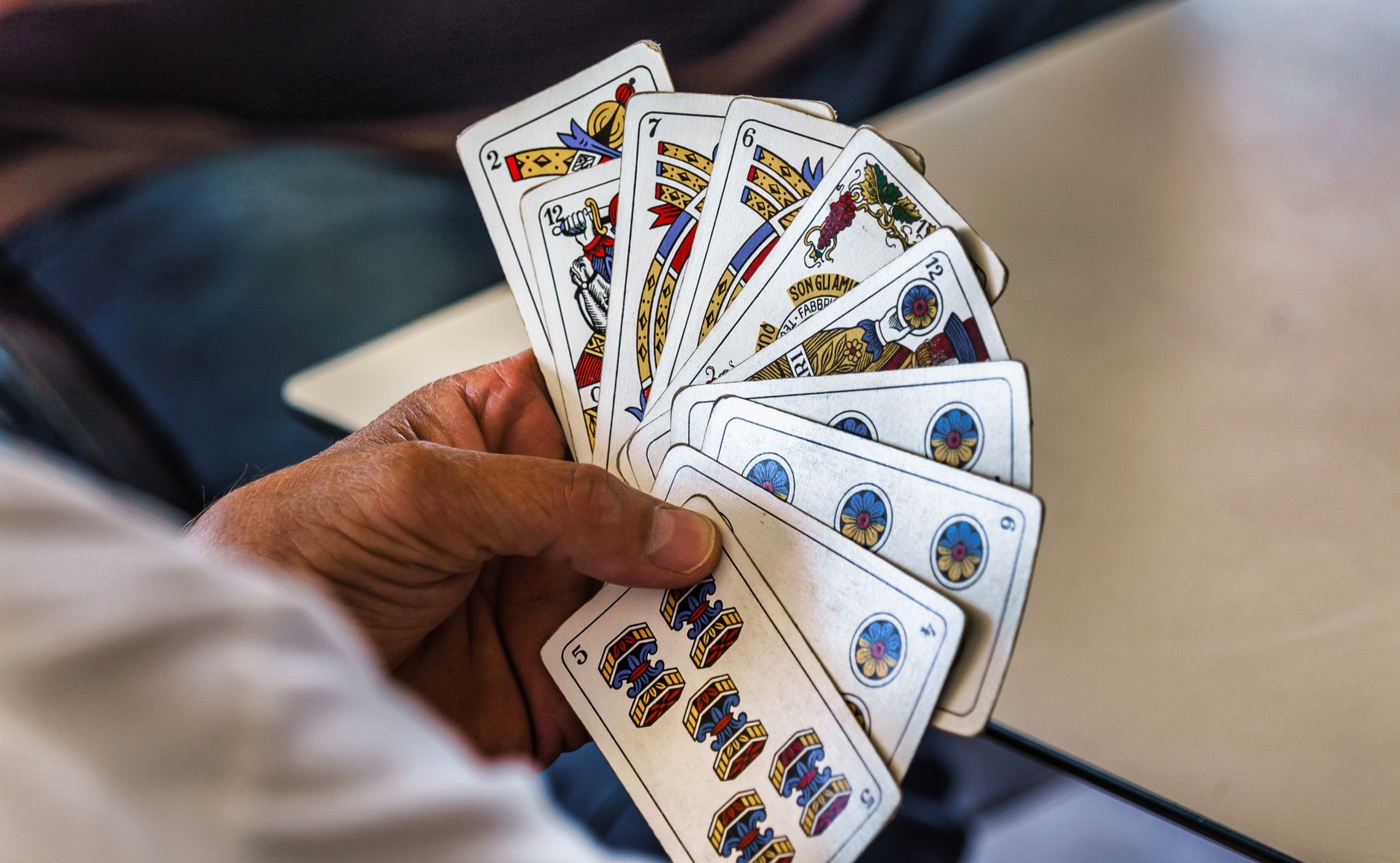
Rummy is a card game where players form sets (3-4 same rank cards) and sequences (3+ consecutive cards of same suit) using 7 dealt cards. First player to meld all cards wins the round.
Key Finding: Rummy success depends on forming valid melds (sets and sequences) while minimizing deadwood cards. Players must balance offensive play (completing melds) with defensive play (avoiding high-value discards).
What is Rummy?
| Game Name | Rummy |
| Category | Card Game, Matching Game |
| Players | 2-6 players |
| Age Range | 8+ years |
| Game Duration | 15-30 minutes per round |
| Equipment | Standard 52-card deck |
| Origin | 19th century, evolved from Conquian |
Game Setup and Equipment
Required Equipment:- Standard 52-card deck (no jokers for basic rummy)
- Paper and pen for scoring
Basic Rules of Rummy
Card Values: - Ace: Always low (value = 1), cannot wrap around (Q-K-A invalid) - Number cards: Face value (2=2, 3=3, etc.) - Face cards: Jack=11, Queen=12, King=13 Turn Structure: Each player's turn consists of exactly two actions: 1. Draw: Take one card from stock pile OR discard pile 2. Discard: Place one card face-up on discard pile Meld Requirements: - Sets: 3-4 cards of same rank (e.g., 7♠ 7♥ 7♦) - Sequences: 3+ consecutive cards of same suit (e.g., 4♣ 5♣ 6♣)- Mixed suits in sequences are invalid
- Cannot use same card in multiple melds
Step-by-Step Gameplay
Turn 1 - Starting Player (left of dealer): 1. Look at your 7 cards 2. Draw one card (stock or discard) 3. Check for possible melds 4. Discard one unwanted card 5. Announce "rummy" if you can meld all cards Subsequent Turns: 1. Draw phase: Choose stock pile (unknown card) or discard pile (known card) 2. Meld phase (optional): Lay down valid sets/sequences 3. Lay off phase (optional): Add cards to existing melds on table 4. Discard phase: Place one card on discard pile Key Gameplay Rules:- Cannot pick up discard pile card then immediately discard it
- Must discard after melding (except when going out)
- Can meld multiple combinations in one turn
- Once melded, cards stay on table
"The beauty of rummy lies in the constant tension between holding cards for future melds and reducing deadwood to minimize penalty points." - Card Game Strategy Analysis, 2024
Valid Card Combinations
Sets (Groups): - 3 of a Kind: 8♠ 8♥ 8♦ - 4 of a Kind: J♠ J♥ J♦ J♣- Must be same suit throughout
- Ace always low (A-2-3 valid, Q-K-A invalid)
- Mixed suits in sequences: 4♠ 5♥ 6♦
- Around-the-corner: K♠ A♠ 2♠
- Two-card combinations: 9♥ 9♠
- Duplicate cards in sets: 7♠ 7♠ 7♥
Scoring System
Deadwood Points (penalty points):| Card Type | Point Value |
|---|---|
| Ace | 1 point |
| Number Cards (2-10) | Face value |
| Face Cards (J, Q, K) | 10 points each |
Winning Conditions
Going Out (Rummy): Player wins round by melding all cards in valid combinations. Two ways to achieve this: 1. Regular rummy: Meld cards gradually over multiple turns, then go out 2. Rummy: Meld all cards at once without previous melds (bonus scoring in some variations) End Game Conditions: - Stock pile exhausted: Round ends, players count deadwood - Player goes out: Immediate round end - Agreed stopping point: Players can agree to end after set time Match Victory:- First player to reach target score (100-500 points) loses
- Player with lowest total score wins the match
- Alternative: Play set number of rounds, lowest score wins
Top 8 Popular Rummy Variations
1. Gin Rummy: 10 cards each, knocking allowed, undercut bonus scoring 2. Oklahoma Rummy: Knock value determined by first discard card 3. Kalooki: Uses 2 decks with jokers, minimum meld requirement 4. Canasta: Team play, special melds, 2-deck game with wild cards 5. Indian Rummy: 13 cards, 2 sequences required (1 pure), jokers allowed 6. Contract Rummy: Progressive meld requirements each round 7. Phase 10: Commercial variation with specific phase requirements 8. Rummy 500: Melding scores points, play to 500 pointsCommon Beginner Mistakes
Strategic Errors: - Holding high deadwood too long: Keep Aces and low cards when possible - Ignoring opponent discards: Track what others need/avoid - Poor discard timing: Don't discard cards opponents just picked up - Focusing only on one meld: Develop multiple meld possibilities Rules Mistakes: - Invalid sequences: Mixing suits or wrapping Ace around King - Premature melding: Laying down incomplete combinations - Discard pile confusion: Forgetting you cannot rediscard the same card - Turn order errors: Skipping draw or discard phases Tactical Oversights:- Not counting opponent cards
- Missing lay-off opportunities
- Poor hand organization
- Ignoring deadwood reduction
Strategy Tips for New Players
Early Game Strategy:- Prioritize forming sequences over sets (more flexible)
- Keep low-value cards to reduce penalty risk
- Watch opponent pickup patterns from discard pile
- Develop multiple potential melds simultaneously
- Track which cards have been discarded
- Count opponent remaining cards
- Balance meld completion with deadwood reduction
- Consider defensive discarding (avoid helping opponents)
- Calculate deadwood totals before going out
- Watch for opponent rummy attempts
- Consider knocking vs. continuing in Gin variations
- Manage risk vs. reward on final turns
- Remember discarded cards to avoid dead draws
- Use opponent reactions to gauge their hands
- Control discard pile timing strategically
- Practice card counting for competitive play