Published: 2026-09-25 | Verified: 2026-05-07
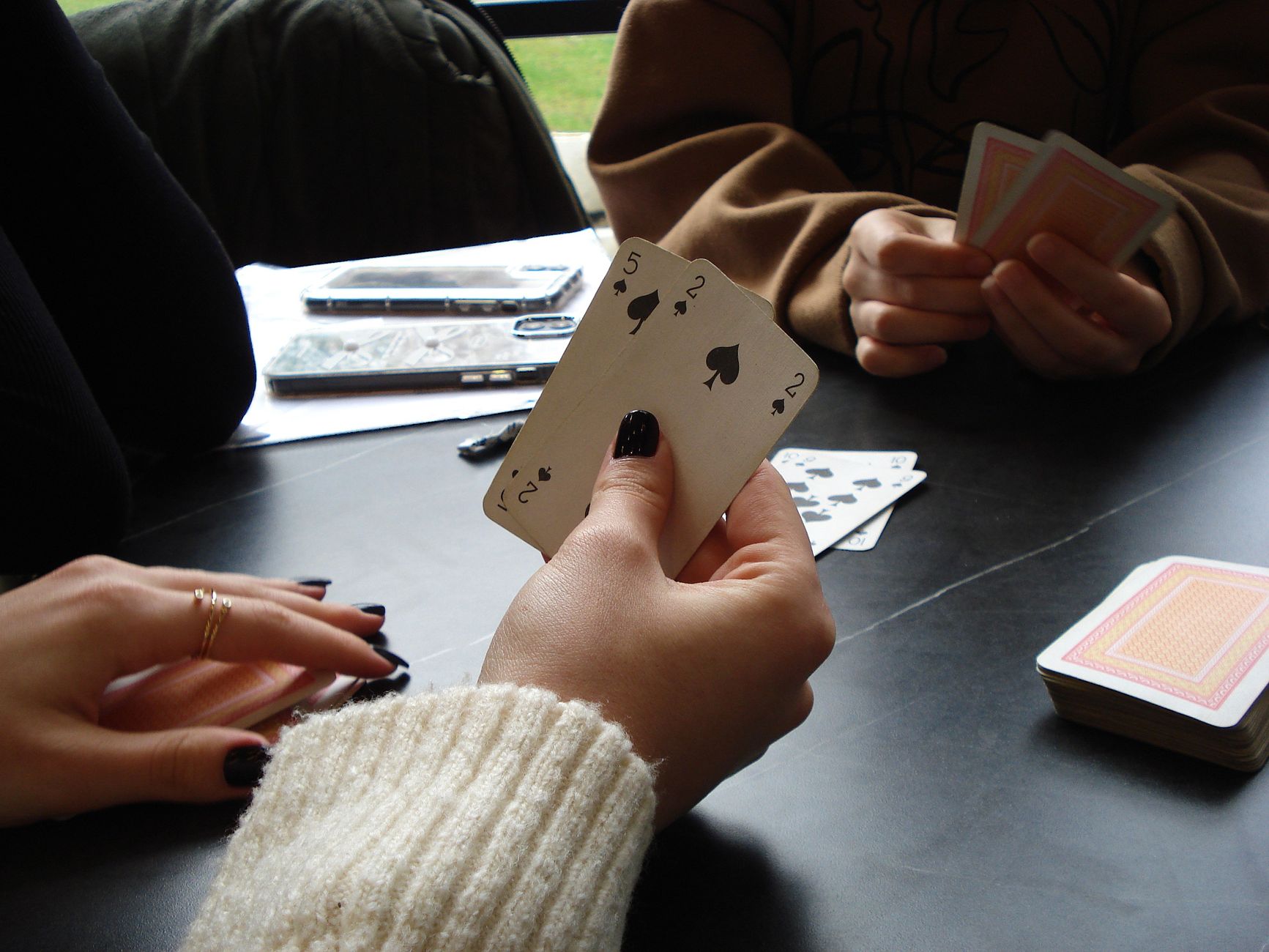
Learn good card games by starting with simple games like Go Fish, progressing to strategy games like Rummy, then mastering complex games like Poker and Bridge through consistent practice and understanding basic rules.
Card Games: Essential Knowledge
| Category | Table Games & Entertainment |
| Required Materials | Standard 52-card deck, chips (optional) |
| Players | 1-8 players (varies by game) |
| Skill Development | Memory, strategy, probability, social interaction |
| Time Investment | 15 minutes to several hours per session |
| Accessibility | Physical cards, mobile apps, online platforms |
Key Finding: Card game mastery follows a clear progression path. Start with simple matching games to learn card recognition, advance to trick-taking games for basic strategy, then tackle poker variants for advanced psychological gameplay. This systematic approach builds foundational skills while maintaining engagement.
Mastering card games transforms quiet evenings into engaging social experiences. Whether you're looking to bond with family, impress friends, or develop strategic thinking skills, the right progression through card games builds confidence and expertise systematically.
The secret lies not in memorizing countless rules, but in understanding core mechanics that transfer between games. Pattern recognition, probability assessment, and reading opponents become second nature when developed through structured practice.
5 Best Beginner Card Games to Master First
1. Go Fish (Difficulty: 1/5)
Players: 2-6 | Time: 15-20 minutes | Materials: Standard deck Setup:- Deal 7 cards to each player (5 cards if 4+ players)
- Place remaining cards face-down as "pond"
- Players arrange cards in hand by rank
2. War (Difficulty: 1/5)
Players: 2 | Time: 10-30 minutes | Materials: Standard deck Setup:- Split deck equally between players
- Keep cards face-down in personal pile
3. Crazy Eights (Difficulty: 2/5)
Players: 2-7 | Time: 20-30 minutes | Materials: Standard deck Setup:- Deal 7 cards per player (5 if 6+ players)
- Place one card face-up as starter
- Remaining cards form draw pile
4. Old Maid (Difficulty: 2/5)
Players: 3-8 | Time: 15-25 minutes | Materials: Standard deck (remove one Queen) Setup:- Remove one Queen, leaving 51 cards
- Deal all cards evenly
- Players remove pairs from their hand
5. Slap Jack (Difficulty: 2/5)
Players: 3-10 | Time: 10-20 minutes | Materials: Standard deck Setup:- Deal entire deck evenly
- Players keep cards face-down
4 Intermediate Strategy Games
1. Rummy (Difficulty: 3/5)
Players: 2-6 | Time: 30-45 minutes | Materials: Standard deck According to Wikipedia, Rummy games share the common feature of matching cards into sets and sequences, making them ideal for developing pattern recognition skills. Setup:- Deal 10 cards to each player (7 if 3+ players)
- Place one card face-up, rest form draw pile
- Memory: Track discarded cards
- Probability: Calculate draw chances
- Hand management: Balance keeping/discarding
- Opponent reading: Watch pickup patterns
2. Hearts (Difficulty: 3/5)
Players: 4 | Time: 45-60 minutes | Materials: Standard deck Setup:- Deal 13 cards to each player
- Pass 3 cards to designated player each round
- Each Heart: 1 penalty point
- Queen of Spades: 13 penalty points
- Goal: Lowest score after multiple rounds
- Card counting: Track played cards
- Passing strategy: Remove dangerous cards
- Timing: When to take points strategically
3. Spades (Difficulty: 4/5)
Players: 4 (partnerships) | Time: 60-90 minutes | Materials: Standard deck Bidding Phase: 1. Players bid number of tricks they'll win 2. Partnership combines bids for team target 3. Spades always trump other suits Gameplay:- Must follow suit if possible
- Spades can only be led after "broken" (played as trump)
- Partnerships must meet exact bid to score points
- Penalties for over/under-bidding
- Communication through legal play
- Bid coordination
- Support play for partner's tricks
4. Cribbage (Difficulty: 4/5)
Players: 2 | Time: 30-45 minutes | Materials: Deck + cribbage board Unique Scoring: - 15-point combinations3 Advanced Card Games for Experts
1. Texas Hold'em Poker (Difficulty: 5/5)
Players: 2-10 | Time: Varies | Materials: Deck + chips Hand Rankings (highest to lowest): 1. Royal Flush 2. Straight Flush 3. Four of a Kind 4. Full House 5. Flush 6. Straight 7. Three of a Kind 8. Two Pair 9. One Pair 10. High Card Betting Structure:- Pre-flop: 2 hole cards, betting round
- Flop: 3 community cards, betting round
- Turn: 4th community card, betting round
- River: 5th community card, final betting round
- Position play: Early vs. late position advantages
- Pot odds: Mathematical betting decisions
- Bluffing: Psychological gameplay
- Bankroll management: Long-term sustainability
2. Bridge (Difficulty: 5/5)
Players: 4 (partnerships) | Time: 2-3 hours | Materials: Standard deck Bidding System:- Complex communication through bid meanings
- Strain selection: No-trump vs. suit contracts
- Level determination: 7-13 tricks
- Finessing: Leading toward honors
- Squeeze plays: Forcing opponent discards
- Card placement: Deductive reasoning
- Defensive signaling: Partnership communication
3. Gin Rummy (Difficulty: 4/5)
Players: 2 | Time: 30-45 minutes | Materials: Standard deck Objective: Form sets and runs while minimizing deadwood points. Key Decisions:- When to "knock" (end round)
- Discard selection based on opponent needs
- Memory: tracking opponent's picks/discards
- Risk assessment: Knocking vs. going gin
- Gin: 0 deadwood, 25-point bonus
- Undercut: Opponent has fewer deadwood points
- Game: First to 100 points
Essential Skills for Card Game Success
Memory Development
Card Counting Basics:- Track played cards mentally
- Use suit distribution patterns
- Practice with single-suit exercises
Probability Understanding
Core Concepts:- Outs: Cards that improve your hand
- Pot odds: Risk vs. reward calculations
- Expected value: Long-term profitability
- Calculate drawing odds in different scenarios
- Use probability apps for training
- Study basic combinatorics
Psychological Skills
Reading Opponents:- Betting patterns
- Physical tells
- Timing tells
- Verbal cues
- Maintain consistent behavior
- Vary play patterns
- Control emotional reactions
- Strategic misdirection
"The key to card games isn't luck—it's understanding probability and human psychology. Master players consistently make mathematically sound decisions while reading opponents' intentions through subtle behavioral cues."
Card Game Etiquette & Social Guidelines
Universal Rules
Table Behavior:- Keep cards visible to prevent cheating accusations
- Announce actions clearly ("I call," "I fold")
- Wait for turn before acting
- Handle chips and cards respectfully
- No coaching other players
- Avoid discussing hands in progress
- Use standard terminology
- Keep conversations friendly
Accessibility Considerations
Vision Accommodations:- Large-print cards available
- Announce all actions verbally
- Describe board states clearly
- Use contrasting card colors
- Card holders for limited dexterity
- Magnetic boards for stability
- Voice-controlled digital versions
- Partner assistance when agreed upon
Practice Methods & Improvement Strategies
Solo Practice Options
Digital Platforms: - Mobile card game apps for basic skill building- Online poker rooms with play money
- Bridge training software
- Solitaire variants for hand recognition
- Deal practice hands for probability study
- Time-based card sorting exercises
- Memory drills with multiple decks
- Speed recognition training
Group Learning
Study Groups:- Organize weekly game nights
- Rotate between different games
- Discuss strategy after sessions
- Share learning resources
- Local card clubs
- Community center events
- Online tournament practice
- Progressive skill challenges
Skill Measurement
Progress Tracking:- Win rate percentages
- Time to complete games
- Accuracy in probability calculations
- Memory retention tests
- Master one new game monthly
- Achieve consistent wins against specific opponents
- Complete increasingly difficult challenges
- Teach others successfully
Frequently Asked Questions
What is the easiest card game to learn first? Go Fish is the ideal starting game because it teaches basic card recognition and turn-taking without complex rules. Players can focus on learning card values and simple strategy. How long does it take to become good at card games? Basic competency in simple games takes 2-3 sessions. Intermediate games require 2-3 months of regular play. Advanced games like Bridge or Poker can take years to master but show progress within months. Is it safe to play card games online for money? Only play on licensed, regulated platforms. Start with free games to build skills before risking money. Set strict budgets and never chase losses. Why should I learn multiple card games instead of focusing on one? Cross-training between games develops transferable skills like probability assessment, memory, and strategic thinking. Each game strengthens different cognitive abilities. What basic equipment do I need to start playing? A standard 52-card deck covers most games. Add poker chips for betting games and a cribbage board for cribbage. Digital alternatives work well for solo practice. How do I remember all the different rules? Start with games sharing similar mechanics. Focus on understanding core concepts like trick-taking or set collection rather than memorizing every detail. Practice regularly to reinforce learning.
Expert Insight: Successful card players develop pattern recognition first, then layer strategy and psychology. The progression from simple matching games to complex poker variants builds cognitive skills systematically while maintaining enjoyment throughout the learning process.
Ready to start your card game journey? Choose your first game from our beginner list and practice the fundamental skills that transfer across all card games.
Explore More Games
For more strategic gaming content, check out our complete games guide or explore step-by-step tutorials. Learn about advanced poker strategies and discover mobile card gaming apps. Visit our gaming tips section for expert insights across all game categories.