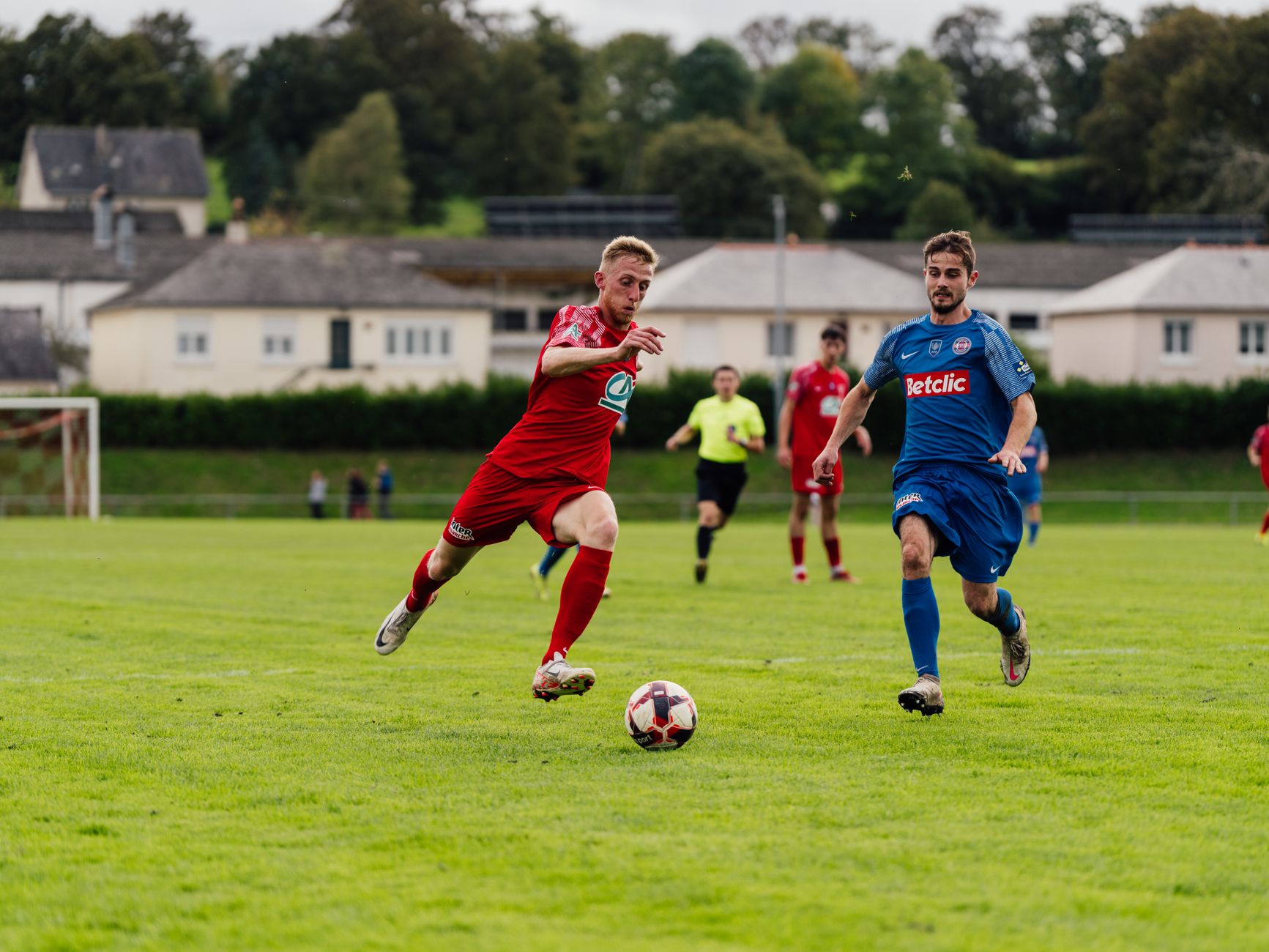
How to Play Football: Master the Game from Kick-Off to Final Whistle
Key Insight
Football success depends on three core pillars: understanding field positioning (where to stand and move), mastering ball control (passing and receiving accurately), and reading the game (anticipating opponent movement). Beginners who focus on these fundamentals improve faster than those trying advanced tricks immediately.
Game Overview: What You Need to Know
Football, also called soccer in North America and Australia, is the world's most popular sport. Two teams of eleven players each compete on a rectangular grass field for 90 minutes (two 45-minute halves). The objective is straightforward: move the ball into the opponent's goal to score points. A team wins by scoring more goals than the opposing team. Matches can end in ties if both teams score equally.
Unlike sports with frequent scoring, football matches typically see 2–4 goals total, making each goal significant. This creates intense, strategic gameplay where possession matters as much as direct attacks. Understanding the flow of the game—buildup play, defensive transitions, counterattacks—separates casual players from effective ones.
Field Layout and Objectives
The football field is rectangular, typically 100–130 yards long and 50–100 yards wide at professional levels. The field divides into three main zones: defending area (your goal side), midfield (center), and attacking area (opponent's goal side).
| Field Section | Dimensions | Purpose | Key Markings |
|---|---|---|---|
| Penalty Area | 18 yards × 44 yards | Goalkeeper handling zone; fouls here award penalties | Penalty spot (12 yards from goal line) |
| Goal Area | 6 yards × 20 yards | Goalkeeper's direct protection zone | Goal line and near-post reference |
| Center Circle | Radius 10 yards | Kickoff location; players must stay outside during restart | Center spot (field midpoint) |
| Touchline (Sideline) | Full field length | Out-of-bounds boundary for throw-ins | White boundary line |
Primary Objective: Score more goals than your opponent by getting the ball into the goal box (the 8-yard × 24-yard area directly in front of the goal). A goal is awarded when the entire ball crosses the goal line between the goalposts.
Secondary Objective: Prevent the opponent from scoring by defending your goal area, clearing the ball away, and forcing turnovers.
Positions and Player Roles
Each of the eleven players has a specific role. Understanding your position and the responsibilities of others is essential for team coordination.
| Position | Location | Primary Roles | Key Skills |
|---|---|---|---|
| Goalkeeper (GK) | Goal area | Prevent goals; catch/punch the ball; distribute to defenders; command the box | Hand-eye coordination, positioning, decision-making, distribution accuracy |
| Defender (CB/LB/RB) | Back third | Block shots; win headers; tackle attackers; start buildup play | Positioning, tackling, heading, composure under pressure, passing accuracy |
| Midfielder (CM/DM/AM) | Central and attacking third | Control tempo; win the ball; link defense to attack; create chances | Passing range, ball control, work rate, tactical awareness, vision |
| Forward (ST/LW/RW) | Attacking third | Score goals; create space for teammates; press opposing defenders | Finishing, movement off-ball, pace, agility, decision-making in final third |
A common formation is 4-4-2 (four defenders, four midfielders, two forwards), which balances defense and attack. Other formations include 3-5-2, 5-3-2, and 4-3-3, each offering different tactical advantages.
Basic Rules and Scoring
How to Score a Goal
A goal is awarded when the ball completely crosses the goal line (between the posts and under the crossbar) as a direct result of play. The team that scores gets one point.
Common Scoring Scenarios
- Open Play Goal: Scored directly during regular play
- Header Goal: Ball contacted with the head and enters the goal
- Penalty Goal: Scored from a penalty kick (12 yards) after a foul in the penalty area
- Own Goal: Ball deflects off a defending player into their own goal (counts as one point for the attacking team)
- Free Kick Goal: Scored directly from a free kick awarded after a foul outside the penalty area
The Offside Rule
Offside prevents players from camping near the opponent's goal. A player is in an offside position if, at the moment the ball is played, they are nearer to the opponent's goal line than both the ball and at least two opposing players (usually the goalkeeper and one defender). Being in an offside position is not an offense; playing the ball or interfering with play while in that position is. This rule keeps the game flowing and rewards accurate passing over long-ball tactics.
Fouls and Misconduct
| Foul Type | Awarded Kick | Examples |
|---|---|---|
| Minor Foul | Indirect Free Kick | Handball outside penalty area, obstruction, dangerous play |
| Serious Foul | Direct Free Kick or Penalty | Tripping, pushing, tackling recklessly, handling the ball in penalty area |
| Unsporting Behavior | Yellow Card (caution) or Red Card (ejection) | Excessive celebration, backtalk to referee, simulation (diving), deliberate handball to prevent a goal |
Players receive two yellow cards (warnings) before ejection, or a direct red card for serious misconduct. A sent-off player cannot be replaced; the team plays with one fewer player.
Essential Techniques and Skills
Ball Control (First Touch)
Your first touch determines everything. When receiving the ball, cushion it by relaxing your body and receiving it on the sole, inside, or outside of your foot depending on the direction you want to move. A poor first touch leaves you vulnerable to pressing opponents.
Practice Drill: Pass a ball against a wall from 8 feet away. Receive it with different foot surfaces (inside, outside, sole) and control it within one step. Repeat 20 times per surface.
Passing Accuracy
Passing is the foundation of football. Short, accurate passes build team play; longer passes speed up attacks. Use the inside of your foot for accuracy (passes under 25 yards) and the laces for longer, driven passes.
Key Points:
- Plant your non-kicking foot beside the ball, pointed at your target
- Keep your eyes on the pass target, not the ball
- Follow through smoothly; your kicking leg should swing naturally
- Weight the pass so your teammate can receive it with one touch
Shooting and Finishing
Scoring requires composure and accuracy. When shooting, use the laces of your boot for power (strikes from outside the penalty area) or the inside of your foot for precision (close-range finishes). Key rules for finishing:
- Stay calm; rushing leads to poor accuracy
- Aim for the corners (top near-post or bottom far-post) rather than straight at the goalkeeper
- Follow through your shot; don't check your swing
- Shoot early if the goalkeeper is advancing toward you
Dribbling and Movement
Dribbling is keeping the ball close to your feet while moving. Use small touches (distance of your stride) to maintain control, and shift the ball between your feet to evade defenders. Change pace unexpectedly—quick bursts followed by slower touches confuse defenders.
Common Dribbling Moves:
- Elastico: Roll the ball sole-to-sole across your body to create space
- Cruyff Turn: Fake a pass or shot, then drag the ball behind your standing leg and accelerate
- Step-Over: Roll the ball with your sole, then step over it to shift direction
Defending Techniques
Defending is not just about tackling. Position yourself between the attacker and the goal, show them to the sideline (encourage them away from central danger areas), and cut off passing lanes. Only tackle when you are sure you can win the ball cleanly.
Defensive Principles:
- Stay on the balls of your feet to move quickly
- Keep your body between the attacker and the goal
- Use your arms for balance, not to push or hold
- Block shots with your body; use your legs to slide and block
- Win the ball and immediately look to pass to a teammate
Beginner Equipment Checklist and Costs
Starting football requires minimal investment compared to other sports. Here is what you need:
| Item | Purpose | Estimated Cost (USD) | Quality Notes |
|---|---|---|---|
| Football (Soccer Ball) | Game ball, official size 5 | $15–$50 | Beginners use cheaper synthetic balls; professionals use premium leather or hybrid |
| Football Boots (Cleats) | Specialized footwear for traction | $50–$200 | Firm ground (FG) boots for natural grass; artificial grass (AG) for synthetic fields |
| Shin Guards | Leg protection | $15–$40 | Mandatory in most organized play to prevent injury |
| Jersey and Shorts | Team identification | $30–$80 | Choose moisture-wicking material for comfort |
| Socks | Shin guard support | $8–$15 | Knee-high socks; must cover shin guards |
| Training Cones | Drill markers | $10–$20 | Essential for solo practice drills |
| Goal (Optional) | Target practice | $40–$150 | Portable nets for backyard training |
Total beginner startup cost: $128–$555. You can start with a ball, basic shoes, and shin guards for under $100; add additional items as you develop.
Common Mistakes for New Players
Over-Complicating Your Game
Beginners often try fancy dribbling or long-range shots instead of simple, effective play. Focus on one-touch passing, staying in position, and moving into space. Simplicity wins matches.
Poor Positioning
Standing in the wrong place wastes energy and leaves gaps for opponents. Always position yourself between the ball and your goal (defensively) or in space to receive a pass (offensively). Watch experienced players; they move constantly to available space.
Loose Ball Control
Touching the ball too far ahead leaves it vulnerable to pressing defenders. Keep the ball within one step of your feet at all times. This builds confidence and prevents turnovers.
Ignoring Fitness
Football is a high-intensity sport requiring aerobic endurance. New players often tire after 30 minutes. Train three times weekly with running, sprints, and interval work to build fitness.
Neglecting Weak Foot
Developing both feet makes you unpredictable and harder to defend against. Dedicate practice time to your weaker foot, especially for passing and shooting.
Mental Aspects and Game Strategy
Reading the Game
Football separates technical skill from tactical intelligence. Reading the game means anticipating what will happen before it occurs. Watch where defenders are moving, identify passing lanes, and sense when to press an opponent or drop back defensively. This develops through match experience and video study.
Communication
Call for the ball, tell teammates where to move, and alert defenders to danger. Verbal communication prevents confusion and builds team cohesion. Communicate constantly, even if it feels uncomfortable initially.
Decision-Making Under Pressure
In matches, defenders will pressure you. Instead of panicking, scan for options before receiving the ball. Know your next move in advance so you can execute quickly. Slow players lose possession; decisive players retain it.
Set Piece Organization
Corners, free kicks, and throw-ins create scoring opportunities. Learn standard set-piece routines and understand your role (attacking or defending). Set pieces account for 25–30 percent of goals in professional football.
Age-Appropriate Learning Progression
Football development varies by age. Younger children (U8–U10) focus on ball familiarity and basic movement. Teenagers (U12–U16) develop tactical awareness and position-specific skills. Adults new to the sport should follow a similar progression, adjusting for physical maturity.
Phase 1 (Weeks 1–4): Master basic touch, passing, and movement. Play small-sided games (5-a-side) to touch the ball frequently.
Phase 2 (Weeks 5–8): Learn defensive positioning, off-ball movement, and first-touch quality. Play 8-a-side to introduce tactical demands.
Phase 3 (Weeks 9+): Develop game intelligence, set-piece work, and position-specific skills. Progress to 11-a-side play with structured league or team training.
Frequently Asked Questions
What is the difference between soccer and football?
In North America and Australia, the sport is called soccer. In most of the world, it's called football. The game is identical; the terminology differs by region. This article uses "football" (the global standard); they are the same sport.
How long does a football match last?
A standard match is 90 minutes: two 45-minute halves with a 15-minute halftime break. If the score is tied and a winner is required (knockout tournaments), extra time (two 15-minute periods) and penalties (five kicks per team, sudden-death if tied) determine the victor.
Can I play football if I have no experience?
Absolutely. Many players start as adults. Join a beginner league, take group lessons, or train with a coach. Consistent practice (three sessions weekly) shows improvement within four weeks. Age is less relevant than willingness to learn.
What is a penalty kick and when is it awarded?
A penalty kick is awarded when a defending player commits a foul (tripping, handball, pushing) inside the penalty area. The attacking team kicks from the penalty spot (12 yards) with only the goalkeeper defending. Penalty kicks are high-pressure situations; they convert to goals roughly 75 percent of the time at professional levels.
How do I improve my shooting accuracy?
Practice finishing in game-like scenarios: receive a pass and shoot immediately (no setup touches), shoot from different angles, and shoot under fatigue (after sprinting). Aim for the far post corner on one-on-one situations; aim for the near post if the goalkeeper is off their line. Shoot 50 times weekly to develop consistency.
Is football dangerous?
Football carries injury risks (sprains, fractures, head impacts), but proper warm-up, correct technique, and appropriate protective equipment minimize severity. Wear shin guards and cleats designed for football. Play on well-maintained fields. If you experience head impacts, see a medical professional. Football is safer than American football or ice hockey when proper precautions are taken.
How many players are on a football team?
A standard team has eleven players on the field: one goalkeeper, four defenders, four midfielders, and two forwards. Teams have substitutes on the bench (typically 7–12). A team can make up to three substitutions during a match (some competitions allow more in extra time).
What does "offside" mean in simple terms?
You are offside if you are closer to the opponent's goal line than the ball and the second-to-last opposing player (usually goalkeeper plus one defender) when the ball is played to you. The rule prevents goal-hanging. If offside, an indirect free kick is awarded to the defending team.
How do I get better at football quickly?
Train three to five times weekly. Include technical drills (passing, shooting, dribbling), tactical practice (small-sided games), and fitness work. Play matches regularly to apply skills under pressure. Video study of your performance and professional matches accelerates learning. Expect consistent improvement after four weeks of structured training.
"Football is the beautiful game because it combines athleticism, strategy, and teamwork into one accessible sport. Every player—regardless of background—can contribute meaningfully to their team's success through positioning, communication, and consistent effort."
— Unlock Tips Editorial Team
Experience in Action: Real-World Learning
Building competency in football requires deliberate practice across three domains: technical (ball control), tactical (positioning and reading the game), and physical (fitness and coordination).
Technical Development: Begin with simple passes (10–15 yards) using the inside of your foot, the most accurate surface. Practice against a wall for 20 minutes daily. Execute 50 passes, focusing on a consistent follow-through and contact point. Progress to longer passes (25+ yards) using the laces once accuracy improves. Shooting development follows a similar pattern: start close to goal (penalty area), practice placement over power, then extend distance as consistency improves.
Tactical Awareness: Watch full matches without focusing on the ball; instead, track player positioning, spacing between defenders, and movement off-ball. Notice how attacking players create space before receiving the ball, how defenders cover each other, and how the team transitions from defense to attack. This passive learning informs your in-game decisions significantly. Play small-sided games (5-a-side or 7-a-side) where you touch the ball more frequently and see tactical concepts in real time.
Physical Conditioning: Football demands repeated high-intensity bursts (sprints, quick direction changes) over 90 minutes. Build aerobic base with steady-state running (30-minute jogs at conversational pace, two times weekly). Add interval training (8–10 sprints of 30 seconds with 90-second recovery) once weekly. Include strength work targeting legs (squats, lunges) and core stability (planks, bridges) twice weekly. Proper conditioning prevents fatigue-related mistakes in the final 20 minutes of matches.
Common implementation error: beginners focus exclusively on dribbling tricks and long-range shots while neglecting first touch and positioning. Simple, accurate fundamentals create consistent performance; flashy skills fail under defensive pressure. Prioritize foundational competency over spectacular plays.
Explore More Football GuidesInternal Resources
Build your football knowledge further with these related guides:
- Football Hub — Complete guide to rules, techniques, and tactics
- Best Football Drills for Beginners — Practice routines for home and field
- Understanding Football Positions — Role-by-role breakdown
- Sports Fitness Training — Build endurance for competitive play
- How-To Guides Hub — Step-by-step tutorials across multiple topics
- Games and Sports — Explore gaming and athletic guides
For professional football instruction, consult FIFA's official resources, which provide coaching materials and rule clarifications recognized globally.